Breaking Open the Word
By Patricia Gemmell
Australian Women Preach produced a weekly podcast sermon, beginning in March 2021 and concluding exactly 4 years later. In those four years we effectively demonstrated that women have the knowledge and the capabilities required to break open the Word in a way that speaks to the people of our time and place.
This project was the fruit of discernment during our Plenary Council (2018-2022), where lay preaching during Sunday Mass became one of the recommendations on the table, and it continued as a witness to good lay preaching during the years of the recent Synod on Synodality. It was good news when the Final Document of the Synod called for “the establishment of a specific Study Group which would be entrusted with reflection on how to make liturgical celebrations more an expression of synodality. It could also consider the topic of preaching within liturgical celebrations.”
That Study Group has not yet given its final report. In the meantime, the Dicastery for Divine Worship and the Discipline of the Sacraments issued a statement on 17 June this year, stating categorically that laypersons may not preach the homily during Mass, even in exceptional circumstances. They affirmed that the homily belongs to an ordained priest or deacon by virtue of the very nature of the liturgy. I have no doubt that this can be theologically contested, but, more to the point, if the topic of preaching within liturgical celebrations is to be considered within the purview of a study group, mandated by the Synod itself, then doesn’t this Vatican edict rather pull the rug from under their feet and shut down the discernment? Where is the synodality in this, especially considering that the edict came in response to a question posed by the German bishops and their own synodal processes?
How do women feel whose Spirit-given charisms are blocked at every turn? “No, you cannot be ordained as deacons. No, you cannot preach the homily at Mass.” How does one remain in a church where the misogyny is palpable? Why is the beautiful language of equality between men and women in Magnifica Humanitas not honoured in concrete decisions and structural change? Pope Leo writes convincingly of men and women equally created in the image of God and takes society to task for not truly and fully recognising that women have the same dignity as men. Can he not see that the church is equally culpable? If he truly wants to recognise the equal dignity of women, he has considerable means at his disposal to do so.
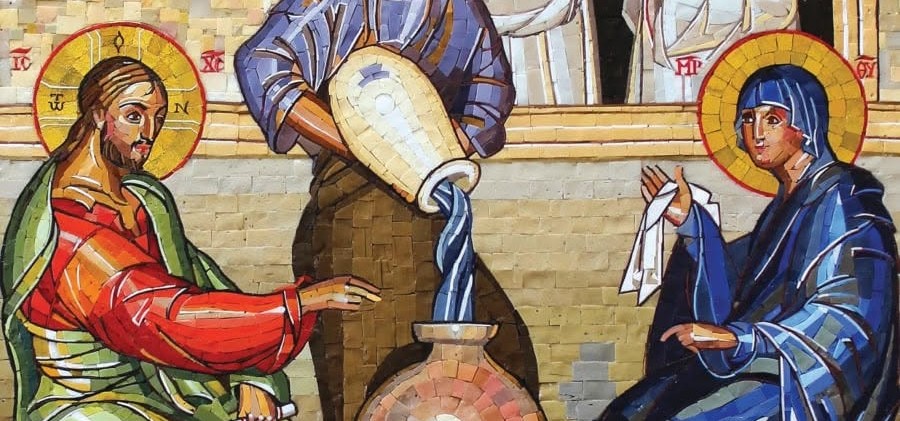
Last Sunday, unable to listen to the words of the homily, as I sat there wondering when, if ever, I would hear a woman’s voice breaking open the Word of God, I heard the voice of Jesus, speaking to his mother, “Woman, my hour has not yet come.” Mary had simply stated the problem, “They have no wine.” So many women have stated the problem and so often we are rebuked: the time is not ripe; it’s a question of culture; be patient. Why did Jesus initially refuse his mother? Was it fear of beginning the journey that would eventually lead to his suffering and death? Is it fear that keeps the church from allowing laypeople to preach, uncertain of where it might lead?
Mary didn’t take no for an answer. She acted. She quietly let it be known to her son that he needed to do something. She knew the time had come. And what happened? Jesus changed his mind and transformed water into the very best wine. It is my hope that one day we will enjoy the good wine of women, Spirit-gifted and suitably formed, preaching the homily.
I will take the woman, Mary, as my model. Like her, I won’t take no as the final word.